
Hazardous powder handling — ATEX / IECEx
Hazardous powder handling
to ATEX and IECEx.
Milk powder, flour, sugar and protein powders all form explosive atmospheres in the right concentration. We design storage, conveying and packaging to ATEX and IECEx standards, classify the zones, and document the result.
In brief
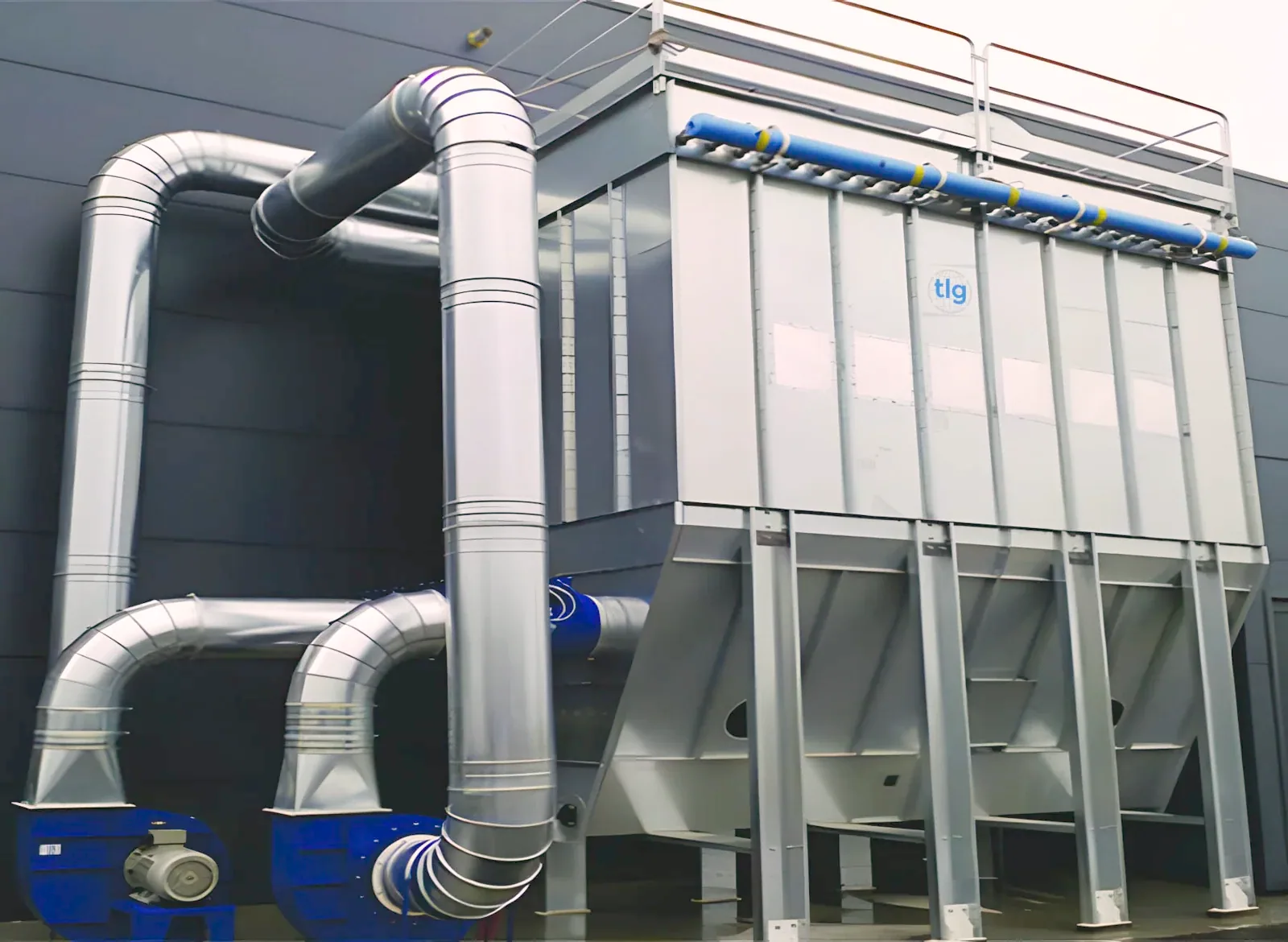
Most food powders — milk powder, flour, sugar, starch — are combustible dusts that can form explosive atmospheres. TLG engineers powder handling systems for these duties end to end: dust hazardous-area classification (zones 20/21/22), ATEX and IECEx certified equipment selection, ignition control, and explosion venting, suppression and isolation designed into the system.
The frame
Hazardous powder handling to ATEX and IECEx.
- ATEX
- Directive 2014/34/EU equipment for explosive atmospheres
- IECEx
- The international scheme — the usual route in NZ & Australia
- Zones 20 / 21 / 22
- Dust-zone classification across the line
Substantiation
What “ATEX capable” means, precisely.
Two words on a spec strip are worth nothing to a compliance officer. Here is the whole of what sits behind them, including where it stops.
- The standards we design to
- ATEX Directive 2014/34/EU (equipment) and 1999/92/EC (workplaces); the IEC 60079 series behind IECEx, including 60079‑10‑2 for dust area classification; EN 1127‑1 for explosion prevention and protection. Public documents — read them, and hold any supplier to them.
- Certified equipment
- Rotary valves, motors, instruments and other ignition-capable items are specified as certified units and carry the certificate of the body that issued it — named, numbered and traceable to the manufacturer, not to us.
- What TLG does
- Classifies the dust zones across the line, selects equipment to the category each zone requires, controls ignition sources through the design, and engineers explosion venting, suppression and isolation into the system rather than bolting it on afterwards.
- What TLG is not
- A certification body. No supplier can certify its own system into compliance. Equipment certificates come from the notified or IECEx-accepted body named on each unit; the responsibility for the workplace under 1999/92/EC stays with the operator.
- How to test any of this
- Ask for the zone classification drawing and the certified-component schedule for a duty like yours, before you shortlist anyone. It is the fastest way to separate suppliers who engineer to the standard from suppliers who mention it. Ask us first.
Go deeper
Compliance guides.
Four working references — written to answer the questions engineers and compliance managers actually search.
ATEX compliance
The EU directives, and what they demand of equipment and workplaces.
ReadIECEx certification
The international scheme — the native regime for NZ and Australia.
ReadCombustible dust safety
Why food powders explode, and the engineering that prevents it.
ReadHazardous area zones
Dust zones 20, 21, 22 — classification and matching equipment.
ReadCommon questions
Frequently asked questions.
- What is hazardous powder handling?
- The design and operation of powder systems where the material can form explosive dust atmospheres. It combines area classification (zones 20, 21, 22), certified equipment (ATEX / IECEx), ignition-source control, and engineered explosion protection — venting, suppression and isolation.
- Which food powders are combustible?
- Almost all of them at processing fineness: milk powder, flour, sugar, starch, cocoa, protein and supplement powders. If an organic powder can burn, a dispersed cloud of it can explode — which is why food plants classify dust zones as standard practice.
Discuss your project.
Talk to an engineer.
Send the material, throughput and plant constraints. You’ll get a considered answer from an engineer, not a brochure.