
Blog — Processing · 6 min read
Sieving, magnets and
metal detection
The three layers of foreign-body control in a powder line, and where HACCP puts each one.
In short
Foreign-body control in a powder line is layered: check sieving removes oversize contamination (string, film, lumps), magnetic separation captures ferrous metal from worn equipment, and metal detection finds what magnets cannot — non-ferrous and stainless fragments in the final product. HACCP analysis places each layer where its risk actually arises: sieves and magnets at intake and after processing, metal detection at the end of the line.
The post
Why three layers, not one
Each technology catches what the others miss. A sieve stops anything larger than its mesh regardless of material — but passes a metal fragment smaller than the aperture. A magnet holds ferrous fines the sieve passed — but ignores aluminium, brass and most stainless. A metal detector senses all conductive metal — but only pieces large enough to disturb its field, and it rejects product rather than preventing contamination.
Stacked in sequence, the three cover each other's blind spots. Removing any layer re-opens one.
The post
Check sieving — the wide net
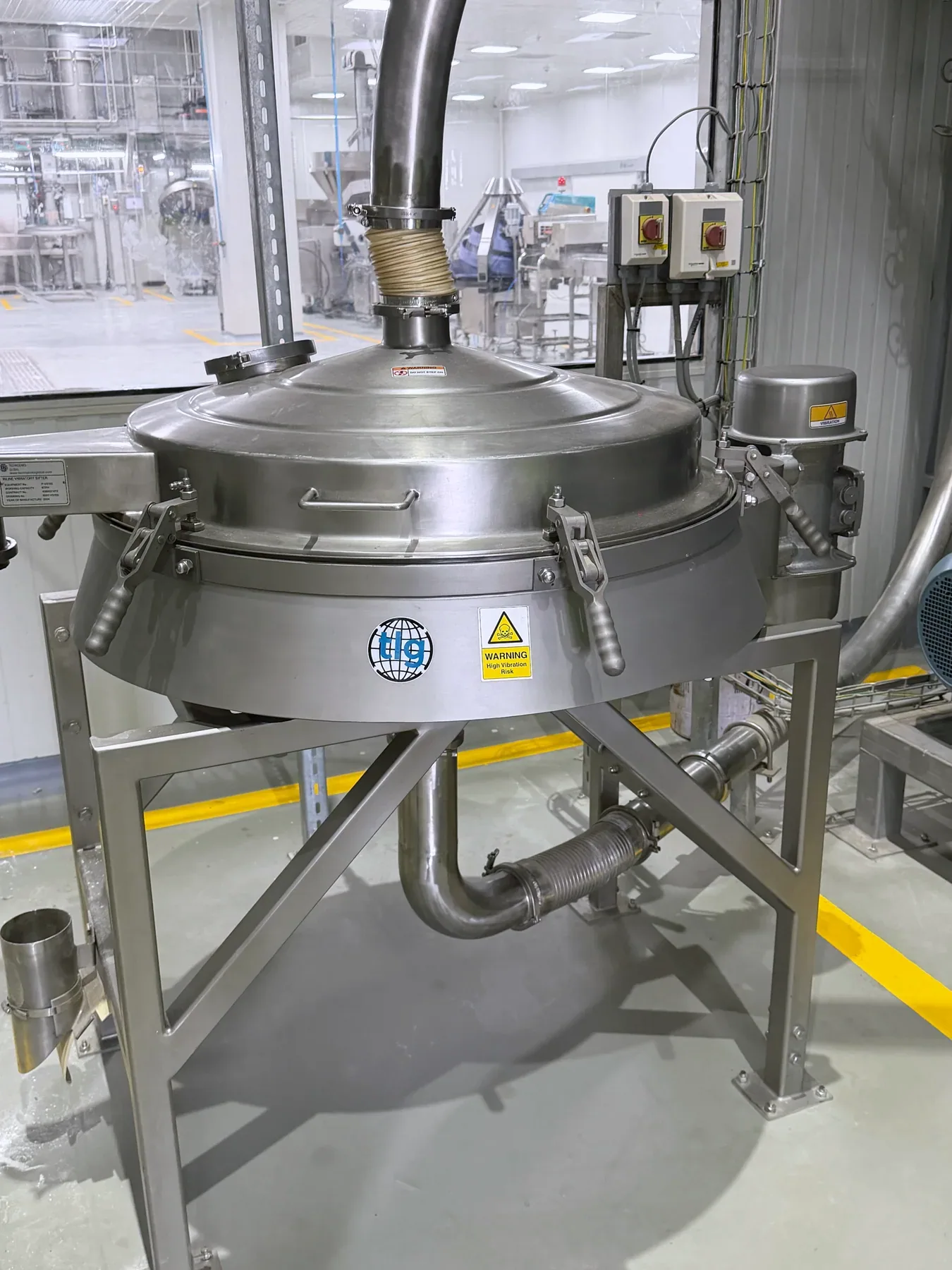
A check sieve (safety screen) uses mesh coarse enough to pass all good product freely and fine enough to stop foreign matter: bag stitching, film, agglomerated lumps, insects. It runs at intake — protecting the plant — and again before packing, protecting the customer. What collects on the mesh is also information: a sudden harvest of metal flakes on the intake screen says something upstream is wearing.
The post
Magnetic separation — the ferrous specialist
Every rotating machine sheds ferrous wear eventually. Rare-earth grate, drawer and bullet magnets sit in the product stream and hold what arrives — including work-hardened stainless fines that older ferrite magnets missed. Placement follows risk: after intake, after milling or size reduction, before packing. The captured-fragment inspection at each clean is a HACCP record in itself.
The post
Metal detection — the final gate
Metal detection is verification, not filtration: a coil senses conductive metal in the passing product and rejects the contaminated portion. It belongs at the last practical point — the packed bag or the final product stream — where it also audits every layer upstream. A detector that never rejects is evidence the sieves and magnets are working; one that rejects often is telling you where to look.
Common questions
Frequently asked questions.
- What is the difference between magnetic separation and metal detection?
- Magnetic separation physically removes ferrous metal from the product stream continuously, using magnets — nothing is rejected, the metal is simply held. Metal detection senses any conductive metal (including non-ferrous and stainless) and rejects the contaminated product. Magnets prevent; detectors verify. A robust line uses both.
- Where should sieves and magnets be placed in a powder line?
- Per HACCP risk analysis — typically check sieving and magnets at intake (protecting the plant from incoming contamination), magnets again after any milling or size reduction (catching fresh wear metal), and a final check sieve plus metal detection before packing (protecting the customer).
Related
Related pages.
Discuss your project.
Talk to an engineer.
Send the material, throughput and plant constraints. You’ll get a considered answer from an engineer, not a brochure.